Categories
Calendars
Guides
Reviews
Archive
Gallery
Articles
Ask Our Gardening Expert
WEEKLY GARDEN CALENDAR, AUGUST WEEK 1
Up until late July / early August wasps have been rearing their young larvae by
feeding them on caterpillars and other wasp tasty bugs. The larvae return the favour
by excreting a sweet goo which the workers feed on. All great stuff, but at this
time of the year the queen stops producing larvae and the workers start looking
round for another source of food. Usually it's your fruit trees!
So, what can you do to reduce the number of wasps in your garden?
The first task is to pick up and remove any fallen
fruit. The prime culprits are plums, peaches, apples and pears.
Wasp traps are the only man made deterrent which work. Simple homemade ones consist of a bottle
with a small amount of jam or other sugary liquid inside. Always site all wasp traps well away
from the reach of children.
The problem with homemade wasp traps is that they normally allow some of the wasps to
escape. And guess what those escapees do? They fly straight back to their nest and tell
the other wasps exactly where the free food source is located. So homemade wasp traps
can actually attract more wasps than they kill.
The solution is to spend a little money and buy a professionally produced wasp trap,
these are normally much more effective. To get some ideas of the wasp traps available
from our recommended online suppliers,
click here. Remember that wasp traps full of dead wasps are not very attractive to
look at, especially in a conservatory. So either go for the glazed types or paint the
glass types with some paint.
Clear Tomato Foliage Gooseberry Bushes Spring Cabbage
Susan Explains Dealing with Wasps in the Garden
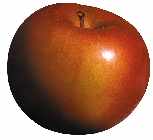
The next task is to prevent any damage to fruit that remains on your fruit trees.
Damaged fruit will attract wasps. The best course of action is to net plum and peach
trees, these are the chosen fruit for birds.
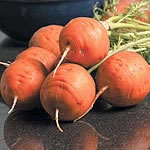 Sow Carrots
If you have any free space in your garden or allotment at this time of year then sow
some carrots, you may even have some seed left over from earlier in the year. Sow a
fast maturing variety.
If the weather is OK then you will have some decent carrots by the end of September.
Even if the weather is not good you will still end up with some extra tasty baby
carrots.
During August the lower leaves of tomato plants will no doubt start to turn yellow. Snap
these yellowing leaves off the tomato plants, they will only encourage pest and disease.
It's also a good idea to thin out the foliage of tomato plants to let the sun get to the
fruits. Tomato plants can live with surprisingly little foliage at this time of year.
The standard time to prune gooseberry bushes is early in the Spring. But it's also well
worthwhile giving them a light prune in August as well. The idea is to trim off the stems
lower down the plant so they don't touch the ground. If they touch the ground this gives a
good opportunity for pests and disease to get onto the leaves from the ground. Prune any
long stems from higher up the plant to reduce any damage from heavy winds.
This is a good week to sow spring cabbage. Go to our main article whicg can be found by
clicking here.