Categories
Calendars
Guides
Reviews
Archive
Gallery
Articles
Ask Our Gardening Expert
Growing Marjoram and Oregano
Marjoram
and Oregano
OREGANO Latin
Name Type Site
and Soil Plant
to Harvest Time They are all easy to grow, well-suited to
containers and very useful in the kitchen. Because their leaves
are very flavourful, a few leaves go a long way. The
leaves of a one year old plant can be harvested from
June to
November when grown in the open, and all year round if some form
of protection is available. They do very well as indoor pot
plants. Although most renowned for flavouring Italian pizzas and pasta dishes, in
all probability they originated from their Greece - in Greek
their name means 'joy of the mountain' - click on the Folklore
link in the right hand box to find out why.
Marjoram or Oregano?
Where
To Grow Oregano Planting
and Care of Oregano The
leaves of wild and pot marjoram will die down soon after frost occurs,
but the roots will survive and provide new plants the next Spring.
Oregano is not tolerant of very severe frosts, so any protection such as
leaves over the dormant roots in winter will increase their survival
rate.
Propagation In the case of sweet/knotted marjoram (more frost tender) and all plants
for container growing, sow indoors in pots during
March, gradually
hardening off the plants in
April, after which they can be potted up or
planted outside. Container Growing Harvesting
Oregano Sweet
or knotted marjoram is best used as a fresh herb, and the leaves should
be harvested whenever required.
The three varieties normally grown are 'wild marjoram' (common
oregano), pot marjoram and sweet or knotted marjoram.
QUICK GUIDE
Origanum vulgare/onites/marjorana
Oregano - hardy perennial
Marjoram - half hardy annual
Full sun, light well-drained soil
June to November outside, all year with protection.
To clear up some confusion, take it from GardenAction that all
marjoram varieties are oreganos, (the genus name for both is now 'origanum'),
and 'wild marjoram' is in fact common oregano (Origanum vulgare).
All varieties
do best in full sun, indicating their Mediterranean origins. Light
(chalky is ideal) well-drained soil suits them best, and they require
little or no feeding.
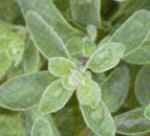 Oregano
is very tolerant of most conditions and requires very little care.
Ensure that they they do not dry out to much in the first few months,
but after that they will tolerate drought very well. The leaves should
be harvested just before they begin to flower in
July
time - if
harvested when the flowers have set seed, the taste becomes more bitter.
An alternative is to trim off the flower heads when they form - in this
way, the leaves can be harvested in small amounts through to
November.
Oregano
is very tolerant of most conditions and requires very little care.
Ensure that they they do not dry out to much in the first few months,
but after that they will tolerate drought very well. The leaves should
be harvested just before they begin to flower in
July
time - if
harvested when the flowers have set seed, the taste becomes more bitter.
An alternative is to trim off the flower heads when they form - in this
way, the leaves can be harvested in small amounts through to
November.
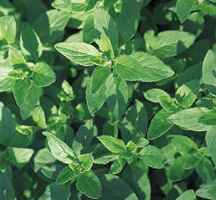 Wild
and pot marjoram can be sown in a seed bed directly outside in
April.
Sow the seed 2cm (3/4in) deep and 15cm (6in) apart - thin to 30cm (12in)
apart when the seedlings emerge two weeks later.
Wild
and pot marjoram can be sown in a seed bed directly outside in
April.
Sow the seed 2cm (3/4in) deep and 15cm (6in) apart - thin to 30cm (12in)
apart when the seedlings emerge two weeks later.
Grow from
seed as described above and transplants into a 30cm (12in) pot in
May.
Water when the soil dries out. Feed the plants only twice in the growing
season to preserve the flavour of the leaves.
Wild marjoram
is best used as a dried herb - pick the leaves on a dry day and place
them in a dark, dry and moderately warm place until they have thoroughly
dried. They can then be stored in an airtight container as whole or
crumbled leaves - they will retain their flavour for three months or
more.
Name: Bill Hewitt
E-mail: wmhewitt10@verizon.com
Date posted: December 15, 2011 - 09:28 am
Message: I never knew about this. I have been cultivating a marjoram plant next to where your oregano was on the window sill, and it is doing beautifully. (Penny Hunt Solum has a great recipe for Chicken Kiev which depends on marjoram.) They certainly look very much alike.