GardenAction
      The Premier Gardening Information Resource
SEARCH GARDENACTION
**Earn a 10% discount off everything you buy at Harrod Horticultural (Enter "Garden Action" in the Offer Code when ordering) **
Weather Settings Newsletter Contact Us Forum


The Japanese Blue Oak

 
Weekly Calendar
Vegetables
Fruit
Herbs
Trees
Help on the Allotment
Greenhouse World
Plants
The Perfect Lawn
Water Garden Features
Beginner's Corner
Pest and Disease
Veg, Fruit & Herb Calendars
Flower Garden Calendar
Garden Centres
Garden Techniques
Houseplants
Book Reviews
About GardenAction
Archived Newsletters
Arboretum, Parks &
Gardens
Garden Photography
Leftovers!
GardenAction's New Articles
Ask our Gardening Expert


Your weather dates have not been set. They have defaulted to medium settings.
Click here to set the weather dates to your area of the UK or USA.
Identify the Japanese Blue Oak
 

Quercus glauca, Japanese Blue Oak tree pictures
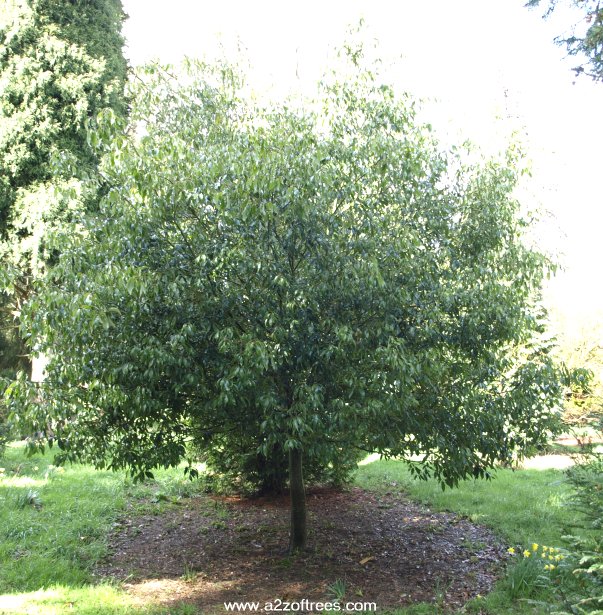
Japanese Blue Oak, click to enlarge

A slightly smaller oak tree compared to the normal with lots going for it. The canopy is dense and forms an attractive shade all year round.

Japanese Blue Oak (quercus glauca)
As its name implies, the Japanese Blue Oak is native to Japan and other areas of Asia. It is an evergreen oak tree which grows to about 15m (50ft) high.

PICTURE OF LEAF COMING SOON

When the leaves first form they have a crimson tinge to them which turns a glossy green as the leaves age.

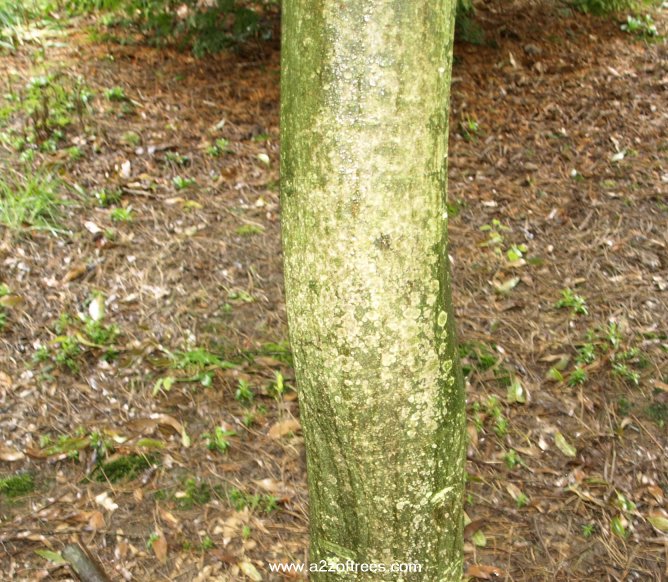
The bark is not typical of the oak family, it is smoother and lighter in colour.
The trunk and bark of quercus glauca or Japanese Blue Oak
The acorns are about 1.5cm (½in) long which is on the short sized. They are instantly recognised by a series of light rings on the cups which results in the tree sometimes being called the Ring Cupped Oak. The acorns are edible when the tannin has been removed. Ground, it was previously used as a coffee substitute.

BACK TO IDENTIFY OAK TREE PAGE

Links to Other Garden Sites || Privacy Policy ||

Copyright 2000-11 GardenAction. All rights reserved.