Categories
Calendars
Guides
Reviews
Archive
Gallery
Articles
Ask Our Gardening Expert




HOUSEPLANTS: FEEDING and WATERING
OTHER TOPICS IN HOUSEPLANT CARE
Incorrect watering is the major cause of houseplant
problems. Get this right and you are much more likely to have a healthy
houseplant. Some plants cannot stand having water on their leaves,
others like to be sprayed with water regularly. This article will tell
you how and when to water, Feeding your plants correctly is also necessary but
there are several methods of doing this. We let you know how and when to
feed your houseplant.
How to Water Your Houseplant When To Water Your Houseplant Which Water To Use Lime Free Water and Misting
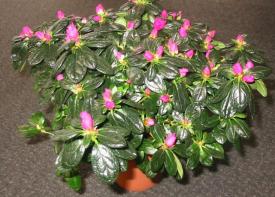
Some houseplants (principally orchids, azaleas, gardenias and
carnivorous plants) dislike lime. In this case, filter the water first,
then boil it and water the plants when the water has reached room
temperature.
Boiled water is also good for mist-spraying because it does
not leave chalky marks on the foliage. Other sources of lime free water
include rainwater and melted ice from the freezer.
Misting plants using lime free water provides a humid micro climate
and cleans the pores of the leaves. Misting twice a week is beneficial
for many houseplants but read the requirements for each individual plant
because it can harm some. Feeding Houseplants Our recommendation is the ready mixed liquid feeds because the amount
is easily regulated and it's easy to place a few drops into the water
when watering your plants. The powder is OK but it is easier to get the
dose wrong with this method. The granules and stick deliver only a very
localised feed and have the potential to damage the roots. There are also
foliar feeds (ready mixed feed which is to be sprayed onto the leaves)
but these are messy and it is very difficult to get the dosage correct. Some plants have special feeding needs and these will be stated on
instructions that come with the plant. They are also described in the
requirements for each individual houseplant (see right hand column).
Houseplants to be careful with include air and carnivorous plants which
need no feeding. Cacti and succulents, orchids and bromeliads need
infrequent and very weak concentrations of feed.
OTHER TOPICS IN HOUSEPLANT CARE
The majority of houseplants prefer to have a good soaking with tap water,
then to be left alone until they almost dry out. However, see the
exceptions listed later in this article. Watering can be from the top or
from below. In general watering from the top is most convenient but if
you suspect the soil is very dry, leave the plant in a a few centimetres
(an inch or so) of tepid water for half an hour. By this time the top of
the soil should have become moist and the plant should be removed from
the water and placed where any excess water can freely drain away.
Watering very dry compost from the top may not give all the compost
enough time to soak up sufficient water.
Once you become used to the weight of the houseplant you can tell if it
needs to be watered just by holding it and judging the weight. Another
method is to feel the top of the compost. The final easy method is to
insert a small knife in the compost - if the knife comes out dry with no
moist particles of compost on it then the plant needs watering.
Water straight from the tap is OK for watering most plants but a better
alternative is to fill a jug with tap water and leave it to stand for 30
minutes or more before using it. This will allow much of the chlorine to
disappear and bring the water nearer to room temperature. Note that hard
water areas have lime in the water at the correct level for watering most
houseplants. 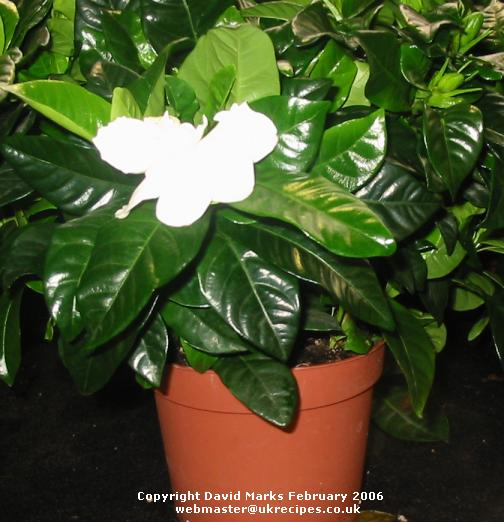
New compost used for houseplants contains fertiliser but this is all used
up by the plant within about six weeks. After that most houseplants need
regular feeding to keep them healthy. There are a variety of products for
this purpose including ready mixed liquid feeds, powder which added to
water, granules scattered on the surface and stick or granules which can
be pushed into the soil.
